
Wicked, the Upside Down, and the Leaders We Become In Darkness
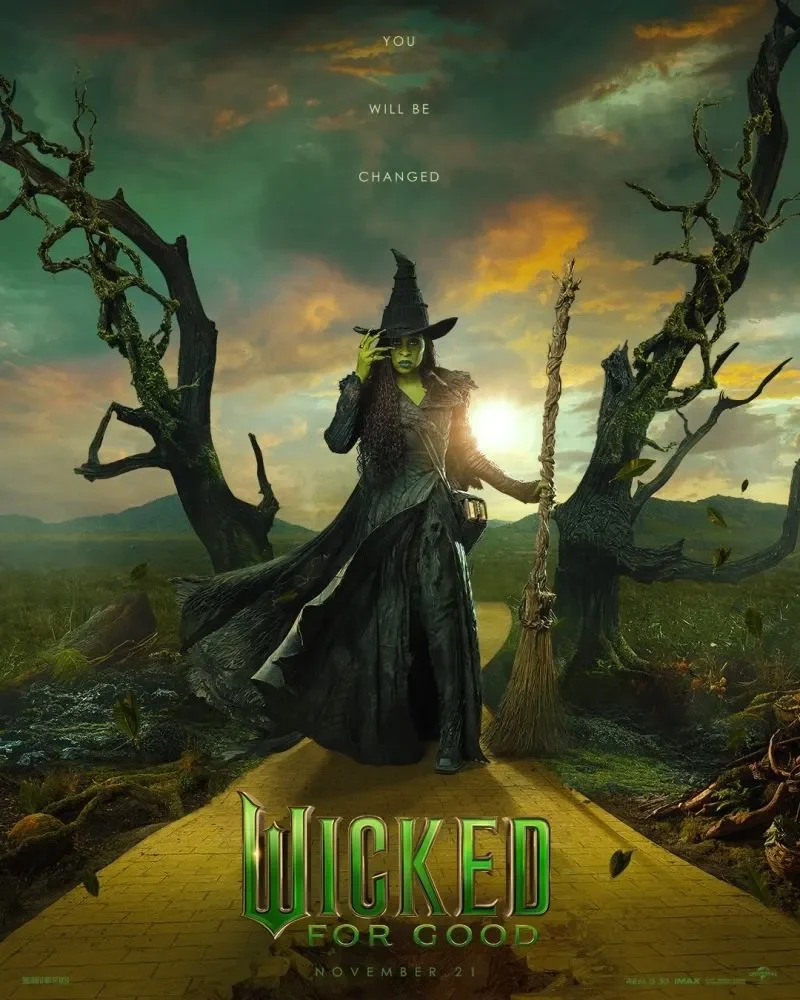
Photo by Universal Pictures — © Universal Studios. All Rights Reserved.
Recently, I watched Wicked: For Good. I’ve been waiting for a full year for the second part of Wicked to come out and I wasn’t disappointed. I’ve always loved the character, Elphaba. Not for the broomstick and the reputation, but for the leader underneath all that, the one who keeps trying to do what’s right even as the world keeps calling her wicked.
Wicked: For Good hit me differently than Wicked last year or even from the musical that I have seen many times.
It wasn’t the flying or the magic. It wasn’t even Defying Gravity, which isn’t really in this film but Cynthia Erivo and Ariana Grande’s version is still stuck in my head.
It was the slow, painful slide into darkness that happens when a leader starts believing the noise.
And that landed a little too close to home.
Elphaba Didn’t Start Wicked, She Was Told She Was Wicked
What shook me most is how long Elphaba fights the “wicked” label before she finally gives into it. She tries to serve. She tries to help. She does the right thing. And every time she reaches for the light, someone else twists it, spins it, or uses it against her.
They don’t just misunderstand her. They define her. They speak something over her so many times that she eventually believes it.
And the devastating part? Once she believes it, she starts to become the very thing they said she was.
That is the exact moment leaders step into the Upside Down.
Not because we’re evil or because we’re trying to be destructive. But because we get tired. Tired of defending ourselves. Tired of trying. Tired of caring.
The Shadow Mission becomes easier than the Daylight Mission. Darkness becomes familiar. The narrative becomes comforting. Twisted, but comforting. It gives you a place to put the pain.
And when a leader starts believing the noise, whether it be positive or negative, they stop leading from purpose and start leading from reaction.
I’ve lived that. Too many times. When the world says “you’re the fixer,” I try to fix everything. When the world says “you’re the problem,” I start acting like one. When the world says “you’re the only one who can do this,” I grip control until everything suffocates.
Noise becomes identity. Identity becomes behavior. Behavior becomes shadow.
And the leader who once wanted to do good slowly steps deeper into the Upside Down.
Glinda and Elphaba: When Ego Puts a Strain on the Light
What hits even harder is the relationship between Elphaba and Glinda.
Two people who start out on opposite sides of everything: Different upbringings. Different values. Different visions.
They should have been enemies forever. But somehow, they become best friends. They push each other. Challenge each other. Bring out parts of each other nobody else sees.
And then, like it often happens in real leadership, ego gets involved.
Glinda wants legitimacy. Elphaba wants justice. Both want to matter.
Their friendship fractures, not because they stop caring, but because they stop listening. They both think they’re right. They both think they’re helping. They both slip into their shadows.
I’ve lived that too. With teammates. With friends. With people I loved.
In my Upside Down, I convince myself that my intentions protect me. I believe the story in my head more than the story in someone else’s heart. And before long, I’m not leading anymore. I’m just fighting to be understood.
But the beautiful thing about Glinda and Elphaba is that they eventually find their way back. And not because the pain disappears, but because the connection mattered more than the conflict.
In the light, they remember who they are together. In the dark, they forget.
That’s leadership. And life.
The Upside Down isolates. The daylight reconciles.
More Than Enough Blame to Go Around
Their last song together wrecks me every time:
“Because I knew you, I have been changed for good.”
But the line that hits hardest, especially for leaders is:
“We know there’s blame to share.”
Blame thrives in the Upside Down. Blame feeds the Shadow Mission. Blame destroys teams, friendships, and leaders from the inside.
I wrote an entire chapter in a new book I have coming out called The Upside Down Leader on Blame for a reason.
Because the moment we feel misunderstood, disappointed, or hurt, blame becomes our armor. We think it protects us. We think it keeps us from feeling foolish or small. But all it really does is lock us in the dark.
Elphaba blamed the world. Glinda blamed herself. Both blamed each other. Both were wrong, and both were right.
There was enough blame to go around. There usually is.
But blame never saved anyone. Ownership does. Humility does. Forgiveness does. Light does.
The Leadership Lesson Wicked Forces Us to Face
When I look at Elphaba, I don’t see a villain. I see a leader who wanted so deeply to be good that the world eventually talked her out of it.
And that’s the part that scares me the most. Because I know how easy it is to drift. To let criticism become identity and praise become pressure. To let ego become fuel and exhaustion become justification.
I know how easy it is to become the thing you swore you’d never be.
What Wicked teaches us, and what The Upside Down Leader keeps reminding me, is that our greatest danger as leaders isn’t failure.
It’s believing the wrong voices.
The ones outside us. The ones inside us. The ones that whisper:
“You’re not enough.” “You’re too much.” “You’re the only one.” “You’re the problem.” “You’re the hero.” “You’re the villain.”
Leaders become wicked not because they choose darkness, but because they stop choosing the light.
The Truth That Saves Us
Glinda and Elphaba were strongest together. On their own, they slid into their shadows. Together, they stepped into the light.
We’re no different.
In the Upside Down, I isolate. Withdraw. I hide. React. I blame. I lead from fear.
In the daylight, I reconnect. I listen. I humble myself. I ask for help. I take ownership. I lead from mission.
Elphaba didn’t have to become wicked. Neither do we. Not when we choose connection over ego. Not when we choose purpose over noise. Not when we admit that we are not at our best alone. We often become wicked in isolation. We become empathetic leaders in the light.
That’s what this movie reminded me. That’s what I keep learning again and again and discuss more in my forthcoming book.
It’s not about the power we hold. It’s about the voices we believe. And the people we choose to walk with us back into the daylight. That is how we can become changed for the better. For good.