
Deliver Me From Nowhere and the Darkness Leaders Know Too Well
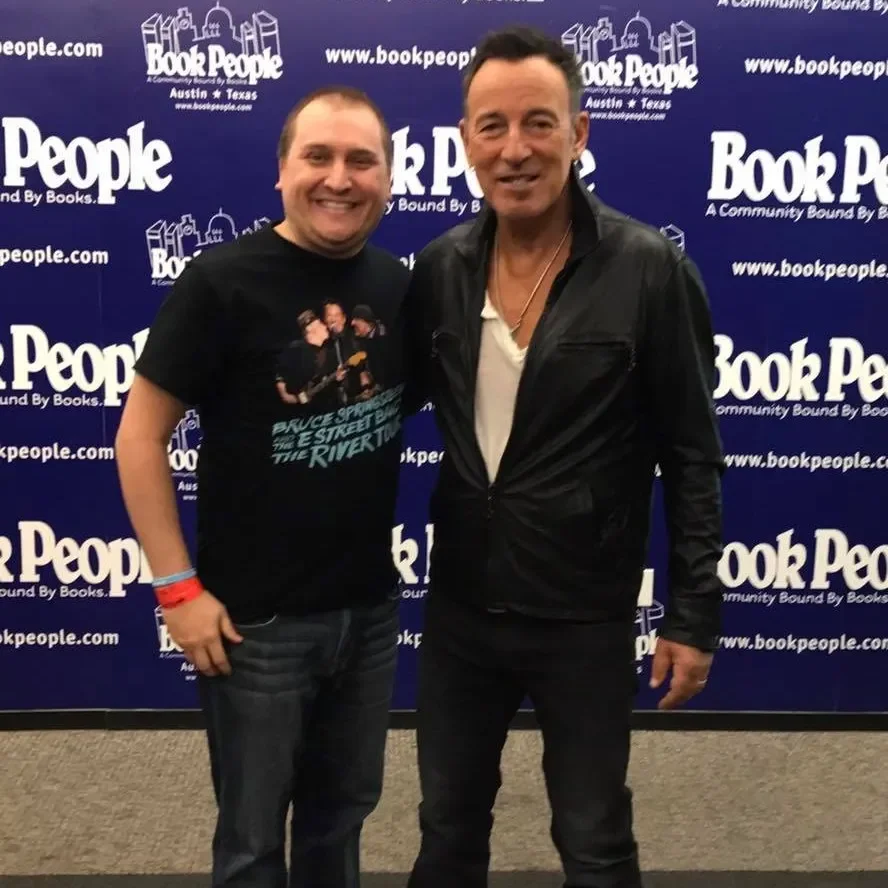
Me (Billy) with Bruce at a Meet & Greet in Austin, Texas. One of the highlights of my life!
I’ve been a Bruce Springsteen fan for as long as I can remember. Not a casual fan, either. The kind of fan who has tracked him across cities, followed every night’s setlist and livestreams, and of course watched him pour every ounce of himself onto a stage until the entire arena or stadium felt born again. I’ve seen him live 22 times, and every time, it’s the same rush. It’s an electric sense that Bruce isn’t performing at you, he’s performing for something bigger than all of us.
So when I heard the book Deliver Me From Nowhere was being made into a film, I knew I’d see it many times, but I didn’t expect it to hit me the way it did. This wasn’t the Bruce I grew up watching and hearing stories about from my Dad. This wasn’t “Born to Run” Bruce. This was a Bruce stripped down to the bone, isolated, depressed, grieving, wrestling the ghosts he’d been dragging behind him for decades.
It was the Springsteen I’d never seen. And to be honest, it was the version of him I needed at this moment of my life.
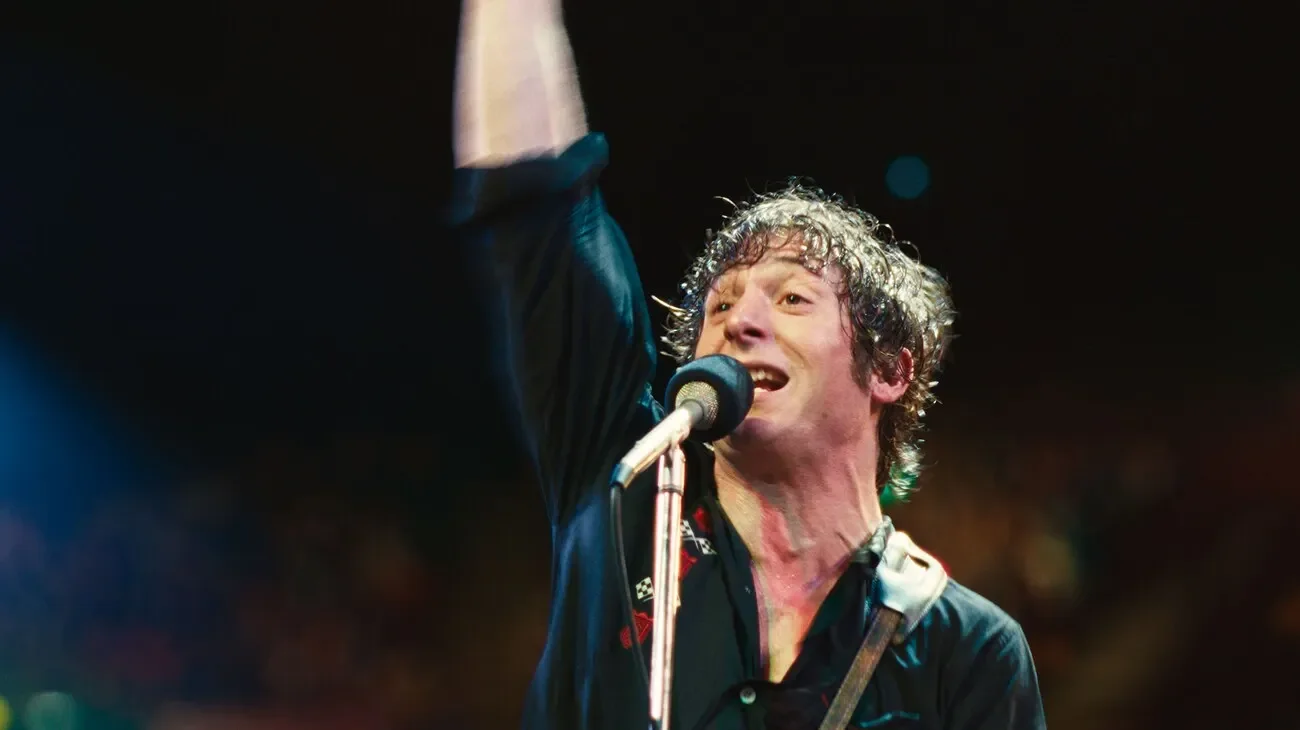
Jeremy Allen White as Bruce Springsteen in 20th Century Studios’ SPRINGSTEEN: DELIVER ME FROM NOWHERE. Photo courtesy of 20th Century Studios. © 2025 20th Century Studios. All Rights Reserved.
The High After the Spotlight Fades
The film does an incredible job showing what happens when the lights go out. As someone who’s lived on stages myself as a speaker, I recognized the look on Bruce’s face in those moments when the applause ended. That uncomfortable stillness. That “now what?” that hits you when the rush collapses.
When you’re used to the high of performance, the quiet can feel like a free fall.
The movie shows Bruce trying to live in the aftermath of that high, and it’s messy. Fame didn’t fill him. Success didn’t silence the darkness. He had climbed the mountain, and found it was still dark at the top.
I know that feeling. I’ve chased highs too. Big stages, business wins, the rush of being seen. And when the room empties out, when the praise slows down, when the adrenaline fades, the shadow shows up. The one whispering, “You should be more. You should be further. You should be better.”
Bruce wasn’t battling fame. He was battling himself. That’s a fight I know well.
Isolation: The Doorway Into the Upside Down
In the film, Bruce retreats into near total isolation to create what became the album Nebraska (and later Born in the USA). No band. No noise. No crowd. Just him, a four-track recorder, and the demons he’d run from for years.
That isolation isn’t romantic. It’s suffocating.
He goes into that small, dim space because he doesn’t know what else to do with the darkness swallowing him. He’s exhausted. Angry. Depressed. And the only way through is to face it head-on.
He wasn’t writing music. He was writing himself out of the Upside Down, the darkness that was consuming him.
And man… that hit me.
There have been seasons where I’ve done the same thing. Times when I isolated myself not because I wanted clarity, but because I didn’t want people to see how lost I actually was. Times when I shut doors thinking it made me strong, when really, it was a slow collapse into my own shadow.
Bruce didn’t enter isolation because he was strong. He entered isolation because he was desperate.
I’ve been there.
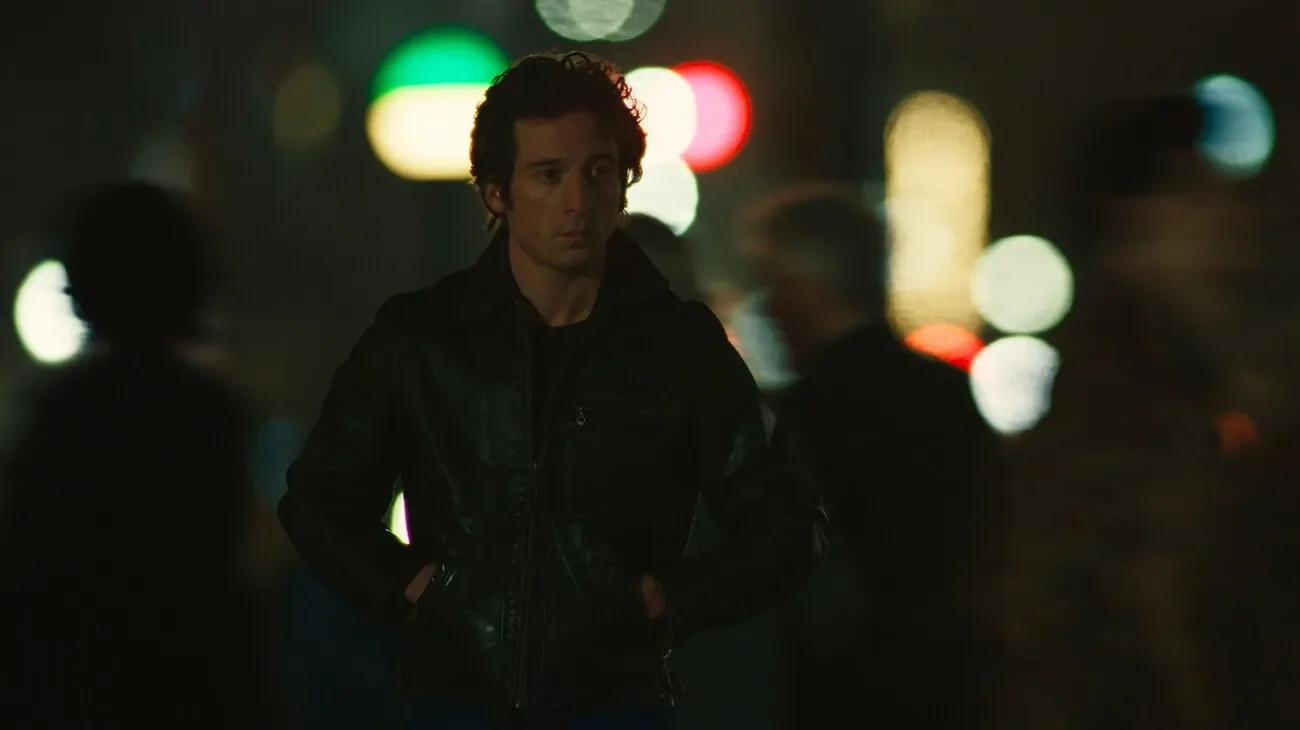
Jeremy Allen White as Bruce Springsteen in 20th Century Studios’ SPRINGSTEEN: DELIVER ME FROM NOWHERE. Photo courtesy of 20th Century Studios. © 2025 20th Century Studios. All Rights Reserved.
Nebraska: When the Darkness Becomes the Map
The film shows Bruce recording the Nebraska tracks knowing full well they weren’t radio-friendly, weren’t commercial, and weren’t designed for mass appeal. They were raw, haunted stories of people lost, broken, stuck in their own shadow missions.
He wasn’t creating hits. He was trying to survive.
Nebraska became his way to name the darkness. To sit in it. To listen to it. To tell the truth before it consumed him.
I’ve had those seasons, too. Moments when the only way through was to say the thing out loud. To write it down. To let the chaos have language so it stopped having control. It’s strange, but sometimes naming the darkness is the first step out of it.
That album is on repeat for me right now. And for the first time, I’m hearing it the way he probably lived it, as therapy and confession combined.
The Father Wound
One of the heaviest parts of the movie is the slow unraveling of Bruce’s relationship with his father, a man who battled his own mental health and poured that pain into his son in ways that shaped Bruce for life.
The movie doesn’t dramatize it. It doesn’t need to. It just shows the quiet weight of a son who wanted to be seen and a father who didn’t know how to see him.
Bruce wasn’t just fighting depression. He was fighting generational shadows.
And if I’m honest, I’ve lived pieces of that too, not with my own Father, as my experience was the opposite. But the pressure to be something, the desire to make people proud, the fear that your own wiring is going to repeat what you’ve seen before. Leadership isn’t just strategy and decision-making. It’s carrying the stories that shaped you.
Bruce’s darkness wasn’t created overnight. Neither is mine. Neither is yours.
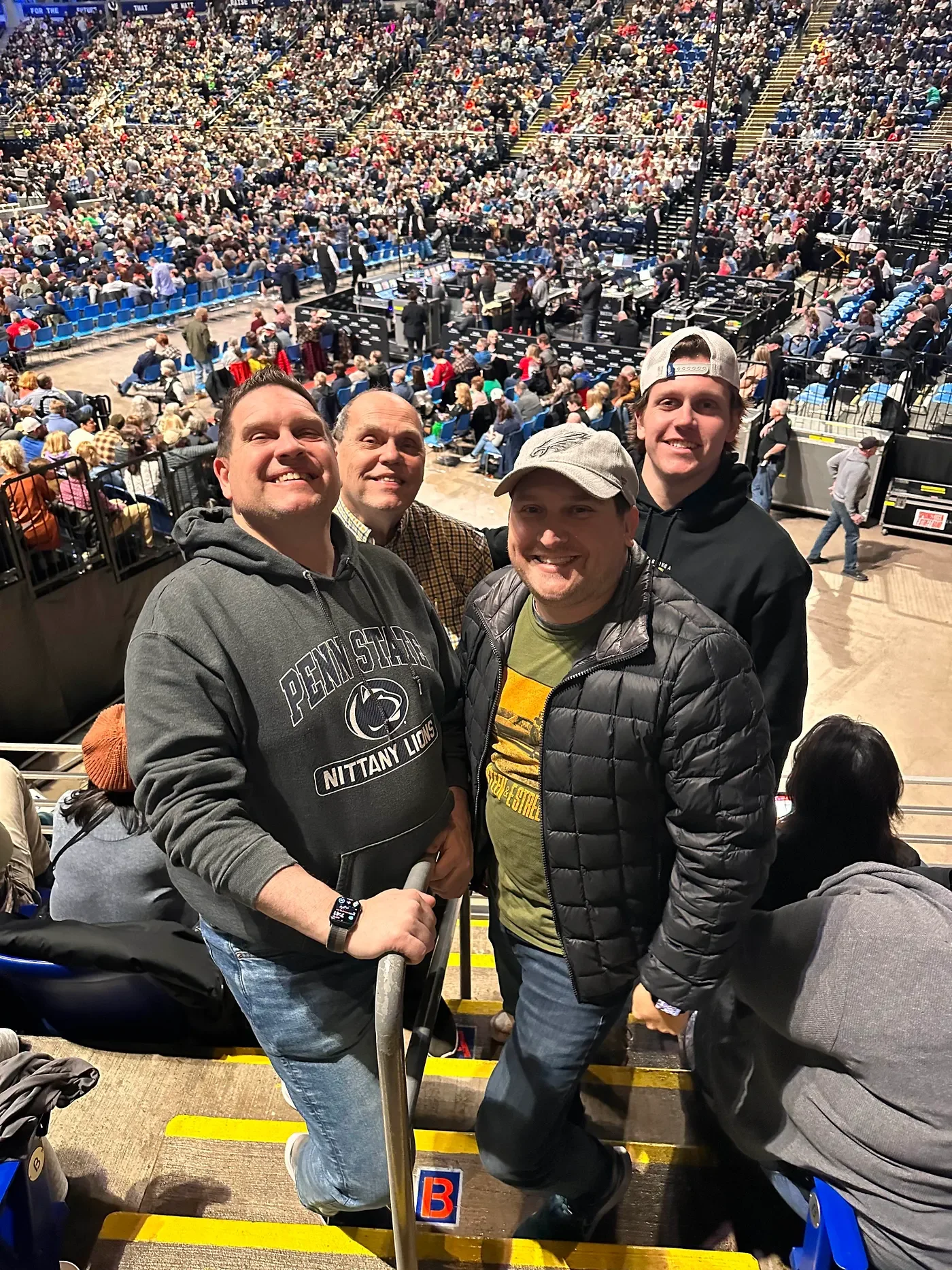
Me (Billy) with my Dad, Brother and Nephew seeing The Boss in March of 2023 in State College, PA.
Pulled Out of the Upside Down
One of the most powerful threads in the movie is Jon Landau, Bruce’s manager, mentor, anchor, and in many ways, the hand reaching down into the darkness to pull him back.
He didn’t sugarcoat anything. He didn’t fix Bruce. He didn’t drag him out by force. He simply refused to let Bruce disappear.
Everyone needs a Jon Landau. Most of us don’t realize how bad we need one until we’re already slipping.
I’ve had those people in my life. Friends, mentors, my wife Ashley, people who refused to let me drown in my own head. People who told me the truth I didn’t want to hear. People who helped me find my footing when the Upside Down felt too familiar.
Leaders love to pretend we don’t need help. But the truth is the opposite: We all need people who pull us toward the light when the shadows start calling us home.
Bruce, Me, and the Darkness We’re All Learning to Name
Watching Springsteen: Deliver Me From Nowhere, I didn’t see a rock star. I saw a man in the dark, trying to find a light switch.
I saw the version of leadership no one talks about, the part where you can be successful, admired, and still feel lost. The part where the applause can’t drown out the depression. The part where you look in the mirror and don’t recognize the person staring back.
And I saw the path out: Not perfection. Not strength. Not pretending. But honesty. Vulnerability. Naming the shadow so it loses its power. Letting people in when you’d rather shut them out. Choosing the climb even when you don’t feel ready.
Bruce didn’t escape the darkness. He walked through it. Slowly, painfully, deliberately, until he found daylight on the other side.
I’m learning to do the same. Some days I do it well. Some days I slip back into the Upside Down. But every day, the light feels a little closer.
And maybe that’s what Springsteen has been singing about all along. That the way out isn’t through strength, but through truth.
Because the real miracle of Nebraska isn’t that Bruce recorded a masterpiece.
It’s that he survived long enough to.